
D. Maria II Electrical Substation
馬交石變電站
- Architect
- Vicente Bravo Ferreira
- Year
- 1986-1988
- Style
- Contemporary
- Area
- North
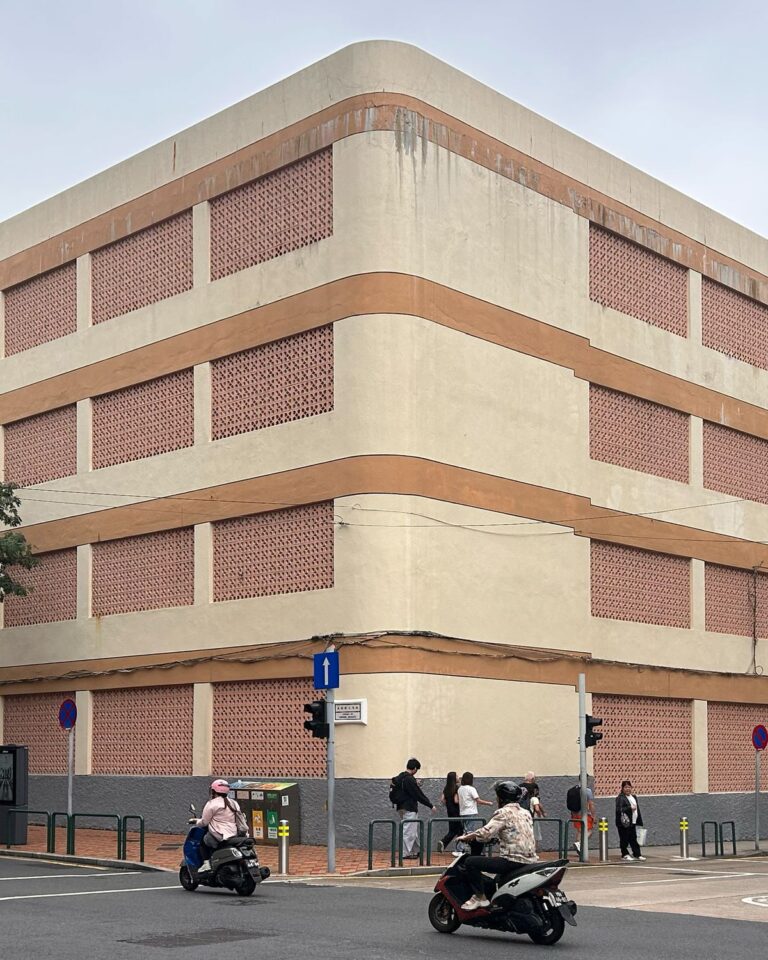
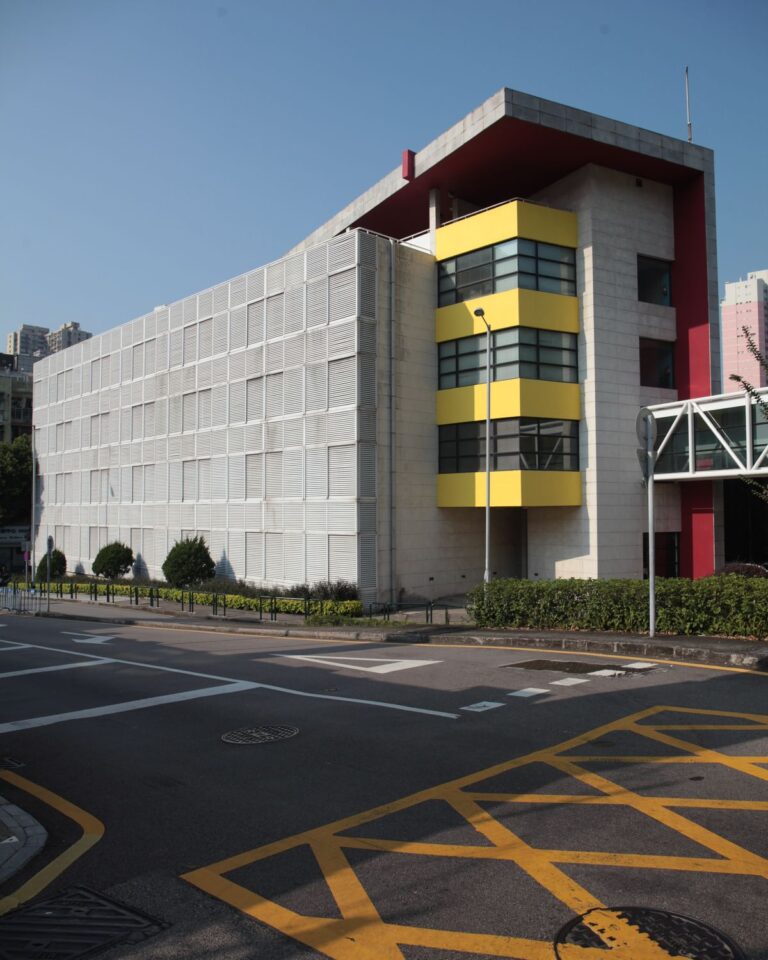
This CEM substation is a landmark of urban expansion that artistically integrates technical infrastructure to serve as an urban landmark in dialogue with its surroundings.
Designed by architect Vicente Bravo Ferreira and constructed in 1988, the D. Maria II Electrical Substation displays an ambitious design intent and a rigorous level of architectural detailing that is uncommon in this kind of technical buildings. This electrical substation serves as one of the primary substations operated by Companhia de Electricidade de Macau (CEM), functioning within a complex
network for the transmission, and distribution of electrical power to surrounding residential areas.
Located at the foothill of Montanha Russa Garden, the building was part of an urban expansion that used infrastructural public buildings as architectural landmarks. The structure is predominantly industrial in nature, yet it was built during a period of residential development and within a residential context. The
architectural design aimed to address some of the pre-existing disarray characteristic of areas composed of buildings with diverse morphologies and functions. The unintentional disorder often generated by growth and successive modifications, combined with the absence of a coherent concept for structured expansion, is here deliberately concealed.
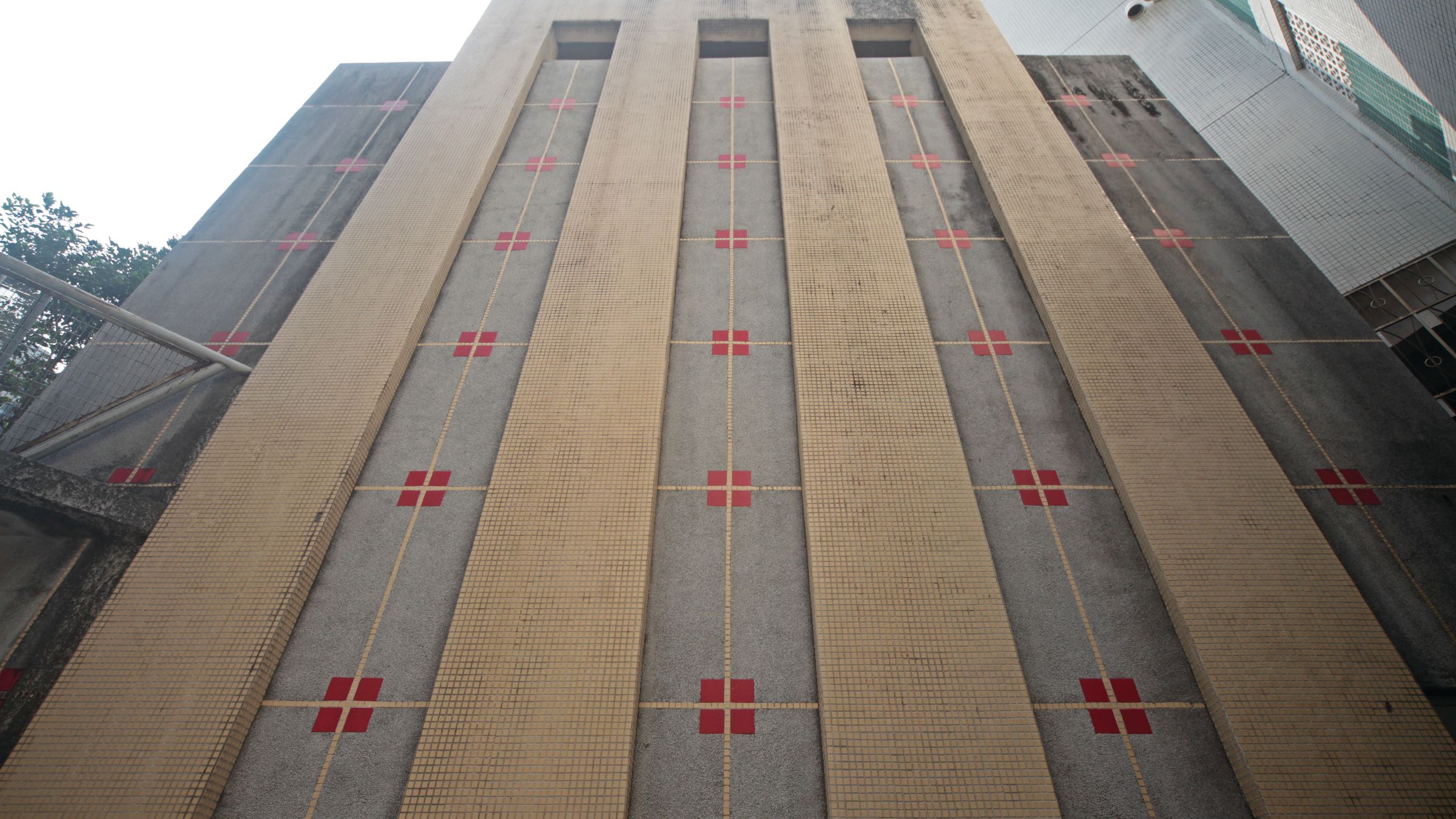
The building uses current materials, such as mosaics, plaster, tiles, with a delicate formal detailing, creating a series of volumes and a sequence of elevations that overexpresses the simple functions that they serve, such as ventilation shafts, technical access doors and windows, to achieve a greater architectural complexity and urban integration. The purpose of the D. Maria II Electrical Substation is to distribute electricity to a large portion of the city while establishing itself as an urban artifact in dialogue with the immediate surroundings, conceived simultaneously as a functional “machine” for electrical components and as a “temple” for its operators.
Nearby Sites
Open at the same time, a short walk away.